العربية
What is it Alopecia Areata?
Supervising physician:
Dr. Heba Mamdouh
What is Alopecia Areata ?
Alopecia is an autoimmune disease that affects hair follicles, causing bald patches. Treatment for alopecia includes topical and oral medications and some home remedies .
Hair is your gateway to beauty, and it also plays a major role in improving psychological well-being and increasing self-confidence. Therefore, alopecia can lead to many psychological complications, in addition to various physical symptoms .
Alopecia Areata is an autoimmune disease that affects hair follicles, causing areas to become bald . Hair loss can affect both sexes in any area of the body, but it is most common on the scalp, and the severity of the condition varies from person to person .
Some people may experience a few spots of hair loss, which may appear as large and noticeable bald patches, while in rare cases some may experience complete hair loss in one or all areas of the body .
What are the types of alopecia ?
The appearance of hairless areas while the surrounding hair remains is the normal form of alopecia, while some other types may appear in rare cases, as follows :
Total alopecia : Affects the entire scalp, causing complete baldness .
Alopecia universalis : causes complete hair loss on the body and head .
Alopecia areata : causes hair loss on the lower part of the sides of the scalp .
Diffuse alopecia : It does not cause patchy hair loss, but it does cause diffuse hair loss .
What are the symptoms of alopecia ?
Symptoms of alopecia often begin between the ages of (25-36) years, and the appearance of normal-colored bald patches is one of the most prominent symptoms of alopecia in women or men, and may look like this :
- The appearance of small bald spots or areas .
- The affected area increases in size over time .
- Hair regrowth in the affected areas, hair loss again, or the appearance of other affected areas .
- Heavy hair loss over a short period of time .
The patient may also experience one of the following symptoms :
- Brittle nails and the appearance of small pits in them .
- Itching or burning in the affected area .
- The appearance of gray or white hair in the affected areas .
What is the cause of alopecia areata ?
The causes of alopecia in women or men are due to the immune system attacking the hair follicles, which leads to their atrophy, hair loss, and the appearance of bald areas .
The disease commonly affects the scalp, while alopecia may appear on the chin or other areas of the body .
The reason why the body’s immune system recognizes hair follicles as foreign bodies remains unknown. However, there are some factors that may trigger the infection, which are as follows :
- Genetic factors are the most common cause of alopecia, as the likelihood of developing the disease increases when there is a family history of alopecia or other immune diseases .
- Exposure to severe stress may be one of the causes of psychogenic alopecia, and causes sudden onset within (3-5) months of exposure .
- Having a health problem such as vitiligo, thyroid disease, Down syndrome, or seasonal allergies .
- Deficiencies in minerals and vitamins such as iron, biotin, and vitamin
- Treating cancer patients with the drug nivolumab .
Is alopecia areata contagious?
Alopecia is not a contagious disease and is not transmitted from person to person; the infection occurs as a result of the patient’s autoimmune disorder and its recognition of the hair follicles as foreign bodies .
How do I know if it’s alopecia?
The dermatologist specializes in diagnosing the disease, and the diagnosis depends on thoroughly examining the affected areas to assess their spread and the pattern of hair loss, as the affected areas often appear in the form of quarters .
The doctor may also recommend some tests to rule out other diseases that cause hair loss, such as iron deficiency or ringworm of the scalp. Some of the most important of these tests are :
- Blood test .
- Biopsy examination of the affected area
What is the treatment for alopecia ?
The disease is caused by a malfunction of the immune system; therefore, alopecia cannot be cured completely, while the affected areas can be stimulated to reappear with hair .
Medications and topical treatments are used to treat alopecia in women and men by accelerating hair growth in affected areas and slowing the rate of hair loss .
Hair loss can also be treated with laser or photochemotherapy to accelerate recovery .
Medications for treating alopecia:
The medications used are divided into several types, and the methods of using them vary according to the extent of the injury and the patient’s response .
Topical treatments: These help stimulate hair growth, and examples include :
- Anthralin : causes skin irritation, thus stimulating hair growth .
- Minoxidil : Its results appear within (4-6) months .
- Corticosteroids : They come in the form of creams, ointments, or liquids, and help to reduce inflammation .
- Topical immunotherapy : It aims to stimulate sensitivity in the affected area, and thus stimulate hair growth, by applying a specific chemical substance to the affected areas. It may take (6) months for the results to appear .
- Oral medications : These help treat adult cases, but some may cause side effects, such as :
- Immunosuppressant drugs .
- Cortisone .
- Janus kinase inhibitors
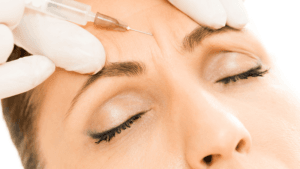
- Injections : aim to restore hair growth in the affected areas by injecting steroids into those areas, with repeated injections every (1-2) months .
If you still need to consult a doctor about this condition, you can easily book an appointment through Takween Clinics
book now